New World Cellar
Discover America's Hidden Wine Scene
Blaufränkisch: Central Europe’s Spicy Red Thriving in North American Wine Regions
Oct 17, 2025
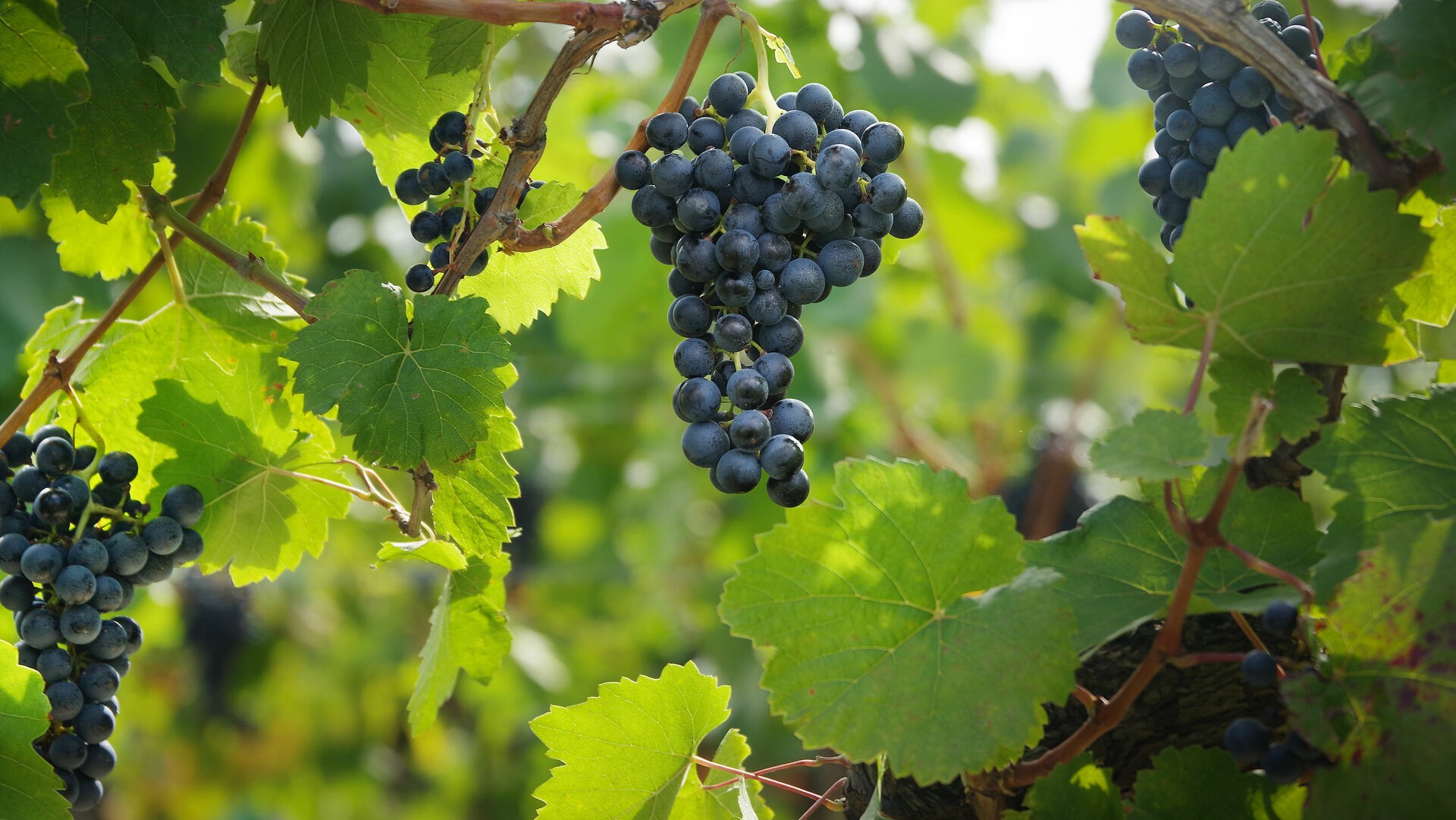
Learn why Blaufränkisch (aka Lemberger) is gaining fans from the Finger Lakes to the Midwest — tasting notes, where it grows in the U.S., producers to try, and food pairings.
Introduction
Blaufränkisch (often called Lemberger in parts of Germany) is a dark-skinned, late-ripening grape from Central Europe that now enjoys enthusiastic plantings across many North American wine regions. It’s prized for bright acidity, peppery spice, and a mid-weight profile that frequently balances juicy blackberry and black cherry fruit with savory, gamey, or earthy notes. Blaufränkisch can be made in styles ranging from fresh, fruit-forward bottlings to ageworthy, oak-aged reds — and it’s especially popular where cooler climates or continental seasons keep wines lively and food-friendly.
In flavor terms, think of Blaufränkisch as sitting somewhere between the peppery lift of Cabernet Franc and the dark-fruit ripeness of Merlot, but with a distinctive spicy, sometimes floral edge. It pairs brilliantly with roasted or grilled meats, tomato-based dishes, mushroom risottos, cured sausages, and hard cheeses — versatile enough to work with weekly dinners and restaurant menus alike.
Locations — Where Blaufränkisch Shows Its Best Side
Blaufränkisch’s preference for moderate summers and cool nights — plus its ability to hold acidity — helps explain why it has found homes across a range of American AVAs outside California, Oregon, and Washington.
Finger Lakes & Upstate New York
The cool Finger Lakes are now one of the United States’ most reliable Blaufränkisch regions. The lakes moderate temperature, giving long hang-time for flavor development while preserving bright acidity; producers in Keuka and Cayuga lake areas have earned awards with Blaufränkisch bottlings that show focussed black fruit, pepper, and floral lift.
Great Lakes / Pennsylvania / Ohio / New Jersey
The Lehigh Valley and Lake Erie AVAs (which touch Pennsylvania, Ohio, and New York) plus pockets of New Jersey’s Outer Coastal Plain have embraced Blaufränkisch for its disease resistance and consistent ripening — producing wines that are often medium-bodied, perfumed, and highly food-friendly. These cooler, often limestone-influenced soils help preserve the grape’s signature acidity.
Midwest (Michigan, Missouri, Indiana)
Midwestern regions with rolling hills and continental climates are experimenting with Blaufränkisch as a stylistic alternative to heavier, hotter-climate reds. In Michigan and Missouri, winemakers are producing everything from fresh, youthful reds to more structured, oak-matured expressions that emphasize earthy spice alongside ripe dark fruit.
Other pockets
You’ll also find plantings in parts of Virginia, Idaho, and scattered experimental blocks elsewhere as American growers pursue varieties that express place rather than sheer ripeness. For a snapshot of the grape’s broad New World footprint, Blaufränkisch is now recognized across a surprising number of U.S. AVAs.
Wineries and Producers to Try
While Blaufränkisch isn’t ubiquitous, a number of North American producers have championed it and made notable wines worth seeking.
Keuka Spring Vineyards (Finger Lakes, NY) — their Blaufränkisch has won state awards and demonstrates how well the variety can perform in cool, lake-moderated sites.
Dr. Konstantin Frank Vinifera Wine Cellars (Finger Lakes, NY) — an influential Finger Lakes producer that includes Blaufränkisch in its lineup, showing classic regional balance of fruit and savory notes.
Weis Vineyards (Finger Lakes, NY) — another Finger Lakes producer with strong reviews for their Blaufränkisch bottlings.
Select Midwestern and East Coast wineries — numerous boutique producers across Michigan, Pennsylvania, New Jersey and Missouri make Blaufränkisch; look for local tasting rooms or wine lists that highlight “Lemberger” or “Blaufränkisch” as a regional specialty.
Because many producers sell Blaufränkisch direct from the tasting room or via small distributors, a weekend visit to regional wine trails (or a quick search on Wine-Searcher) will often turn up delightful, locally made examples.
Why Blaufränkisch Matters for North American Wine Regions
Blaufränkisch matters because it gives winemakers a way to craft lively, terroir-expressive reds in climates that aren’t geared toward blockbuster cabernet or tightly ripened zinfandel-style wines. Its structure, spice and acidity pair beautifully with food and provide refreshing alternatives in wine lists dominated by familiar international varieties. As interest in regional identity and hybrid or lesser-known Vitis vinifera varieties grows, Blaufränkisch’s profile — from the Finger Lakes to the Midwest — is likely to continue rising across North American wine regions.